Why Professional Periodontal Treatment in Ventura Is Worth It
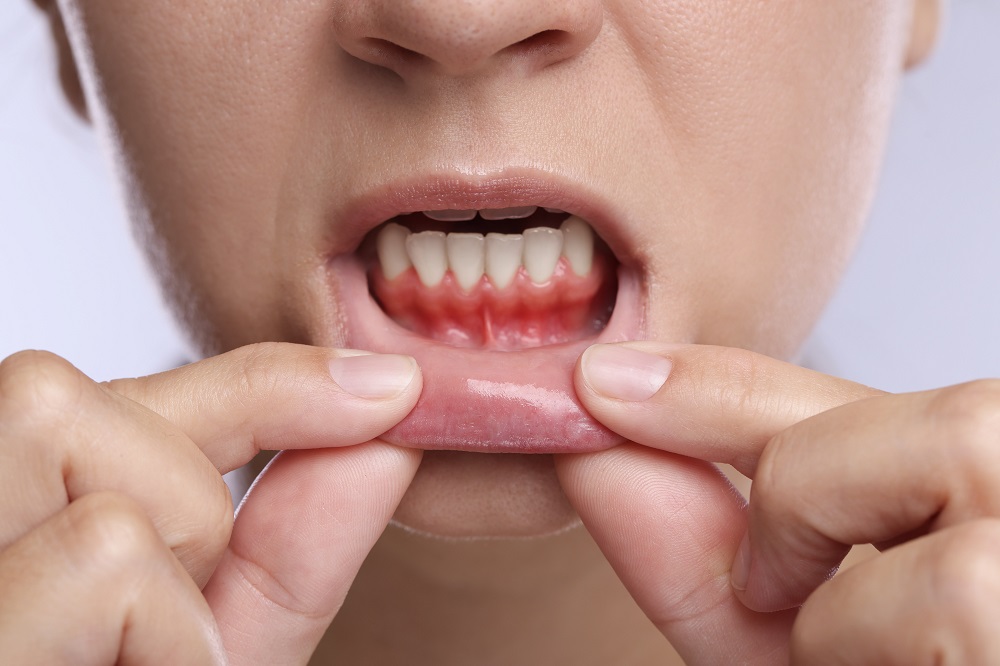
Gum disease has a way of staying quiet until it no longer can. A little bleeding while brushing, a bad taste that comes and goes, gums that look slightly puffy instead of sharp and pink, these are easy to dismiss. Many people do. They switch toothpaste, floss more aggressively for a week, or tell themselves they will get to it after a busy month. By the time they sit in a dental chair, the problem has often moved well beyond simple irritation.
That is why professional periodontal care matters. It is not a luxury service layered on top of routine dentistry. It is targeted treatment for an active infection and the structural damage that infection can cause. If you are considering Periodontal Treatment Ventura patients often ask about, the real question is not whether treatment costs time and money. It does. The better question is what happens if you postpone care, and what you gain when treatment is done properly, at the right stage, by a team that understands gum health in detail.
For most adults, the answer is straightforward. Professional periodontal treatment protects teeth, bone, function, appearance, and comfort. It often reduces future expense. It can also improve day-to-day quality of life more than patients expect, because chronic gum inflammation affects everything from eating confidence to breath to how the mouth feels each morning.
Gum disease is not just about gums
Periodontal disease begins with bacterial plaque, but it does not stay on the surface. As plaque hardens into calculus and bacteria collect below the gumline, the body reacts with inflammation. That inflammation is part of the immune response, but in the mouth it becomes a destructive cycle. The tissues detach. Pockets form. Bone can begin to recede. Teeth may look longer, feel sensitive, or shift in ways that seem subtle at first and alarming later.
One of the most frustrating things about periodontitis is that it does not always hurt early on. A cavity can announce itself with pain. Gum disease often whispers. A patient may still chew normally and assume everything is fine, even while the supporting structures around several teeth are under steady attack.
This is where professional evaluation makes a real difference. A trained clinician is not guessing based on whether the gums look red in the mirror. They are measuring pocket depths, checking for bleeding, reviewing bone levels on radiographs, assessing recession patterns, looking at mobility, and connecting all of that to your medical history and risk profile. Smoking, diabetes, dry mouth, medication use, stress, bite forces, and home care habits all matter. Two people can have similar-looking gums and very different treatment needs.
Ventura patients often underestimate the local and personal factors
Every community has its own routines and blind spots. In a place like Ventura, people tend to stay active, social, and outdoors. That is a good thing. It also means many adults are busy enough to put off treatment because they are functioning well. If they can get through work, family obligations, and a weekend at the beach without obvious pain, they assume the mouth can wait.
That assumption is expensive.
A person in their forties or fifties with moderate periodontal disease may still feel mostly normal. Yet if they delay treatment for another year or two, the clinical picture can change from manageable to complex. What might have been addressed with deep cleaning, maintenance, and close monitoring can move toward surgical intervention, tooth splinting, grafting, or replacement planning. The difference between early and late treatment is not abstract. It shows up in chair time, healing demands, cost, and long-term predictability.
Ventura also has many long-term residents who have had dental work done over decades by different providers. Crowns, bridges, older restorations, recession, bite wear, and shifting gum levels can create pockets where bacteria thrive. Professional periodontal treatment is valuable partly because it looks at the full landscape, not just the inflamed site that drew attention.
What professional treatment actually addresses
Many patients hear the phrase “deep cleaning” and assume periodontal care is simply a more intense version of a routine cleaning. It is not. A standard prophylaxis is designed for mouths without active periodontal disease. Periodontal treatment is therapeutic. It targets infection under the gumline and aims to stop the progression of attachment and bone loss.
Depending on what the examination shows, care may include:
- scaling and root planing to remove deposits and bacterial toxins below the gumline
- local antimicrobial therapy in selected pockets
- adjustment of the maintenance schedule, often every three or four months rather than every six
- surgical periodontal therapy when deep pockets or defects cannot be managed non-surgically
- grafting or regenerative procedures in cases involving recession or bone loss
The point is not to throw every possible treatment at every patient. Good periodontal care is selective and evidence-based. Some mouths respond extremely well to non-surgical therapy and diligent maintenance. Others have anatomy, disease severity, or systemic risk factors that justify a more advanced approach. Professional judgment matters here. Overtreatment wastes money and trust. Undertreatment allows the disease to continue.
The hidden cost of waiting
When patients ask whether professional periodontal treatment is worth it, they often frame the question around the immediate fee. That is understandable. Dentistry is an investment. But delayed treatment usually carries a larger price tag, and not just financially.
Take a common scenario. A patient notices bleeding and mild gum tenderness for a year or more. They continue with routine cleanings, but no comprehensive periodontal therapy is done, or they skip visits altogether. During that period, pocket depths deepen, more calculus accumulates below the surface, and a few molars begin losing support. When the patient finally seeks care because one tooth feels loose, treatment is more involved. Instead of treating inflammation in a limited area, the office is managing generalized disease, mobility, possible bite changes, and difficult home care conditions.
At that point, even excellent treatment may be stabilizing rather than reversing damage.
This is the part many people do not appreciate until they have lived through it. Periodontal treatment can be highly successful, but it cannot always rebuild every structure lost during years of disease activity. Prevention and early intervention preserve options. Delay narrows them.
Comfort and appearance matter more than patients expect
A lot of adults arrive for care focused on keeping their teeth. That is the big goal, of course. Yet after treatment, they often talk about something more immediate: their mouth feels cleaner, calmer, and less tender. Their breath improves. Food stops packing between certain teeth. Their gums no longer bleed into the sink every morning. Those are not cosmetic extras. They are quality-of-life improvements.
Appearance changes matter too. Inflamed gums can look swollen, uneven, or shiny. Recession can make teeth appear too long or expose sensitive root surfaces. In some cases, untreated periodontal disease contributes to drifting or flaring front teeth, which alters the smile and bite. Proper treatment, followed by maintenance, helps stabilize these changes and can improve the soft tissue frame around the teeth.
There is also a psychological side to this. People are often embarrassed by chronic bad breath or bleeding during dental visits. They may avoid close conversation or smile less freely. Once the disease is under control, that social self-consciousness tends to ease. It is hard to put a number on that benefit, but it is very real.
Professional care reaches places home care cannot
Patients sometimes feel guilty when they hear they need periodontal treatment. They assume the diagnosis means they failed at brushing or flossing. Sometimes home care does need work, but that is not the whole story. Once hardened deposits build below the gumline, no toothbrush or water flosser can remove them. The root surface has to be instrumented properly. Pockets have to be disrupted thoroughly enough to interrupt the bacterial environment that keeps inflammation going.
Even motivated patients cannot do that at home.
Good clinicians explain this without blame. They also know home care recommendations must fit real life. Telling someone to use five different devices twice a day is not helpful if they will realistically do one or two things consistently. The best periodontal results come from pairing professional therapy with sustainable habits. That might mean an electric brush, interdental brushes in certain spaces, floss where contacts are tight, and a maintenance interval short enough to prevent relapse.
Experience matters, especially in borderline cases
Not every periodontal case is straightforward. Some patients have recession without deep generalized pockets. Others have implants alongside natural teeth, which creates different maintenance demands. Some clench or grind and present with mobility that is part inflammation, part force-related trauma. Others have controlled diabetes and respond well, while another patient with similar probing depths heals more slowly because smoking remains in the picture.
That is one reason Periodontal Treatment Ventura residents pursue from an experienced provider is worth serious consideration. Clinical nuance affects outcomes. Knowing when a site is likely to respond to non-surgical treatment, when to refer or co-manage, when to intervene surgically, and when to monitor closely instead of escalating too fast, these are not decisions made from a checklist alone.
A seasoned team also tends to communicate better. They explain why one area needs urgent attention while another can be watched. They take baseline measurements seriously. They compare tissue response over time. They do not promise miracles, but they also do not shrug at early warning signs.
There is a strong financial argument for treatment
People often think of periodontal therapy as an added expense, but clinically it is often a cost-containment strategy. Saving natural teeth is usually more conservative than replacing them. Tooth replacement can be excellent when needed, yet it carries its own sequence of expenses, evaluations, and maintenance demands. A missing tooth can lead to extraction fees, grafting, temporary solutions, implant placement or bridgework, and long-term upkeep. If several teeth are affected, the numbers add up quickly.
By contrast, stabilizing periodontal disease early may preserve a workable, healthy dentition for many years with periodic maintenance and selective repair. That does not mean treatment is cheap. It means the alternative is often more costly and less simple than people assume.
There is also the issue of restoration longevity. Crowns, veneers, bridges, and fillings perform better in a healthy periodontal environment. If the supporting tissues are inflamed, margins become harder to clean, impressions are less predictable, and the work is sitting on a compromised foundation. Investing in gum health protects prior dental work as well as future treatment.
A few signs you should not ignore
Some symptoms deserve prompt professional evaluation, even if they seem minor:
- gums that bleed regularly when brushing or flossing
- persistent bad breath or a sour taste in the mouth
- gum recession or teeth that look longer than before
- tenderness, swelling, or pus near the gumline
- teeth that feel loose, shift, or trap food more than they used to
None of these signs automatically means advanced periodontitis, but each one warrants a closer look. The earlier the diagnosis, the more predictable and conservative treatment tends to be.
What the treatment process usually feels like
One reason people delay care is fear of discomfort. That fear is understandable, especially if they have heard vague stories from friends or remember older techniques. Modern periodontal treatment is generally more comfortable than patients expect, particularly when the office communicates clearly and manages anesthesia well.
A thorough exam comes first. That includes periodontal charting and imaging as needed. From there, the provider explains the severity and distribution of disease. In straightforward cases, non-surgical therapy may be completed over one or more visits, depending on how much of the mouth is involved and how the office schedules treatment. Numbing is commonly used, and most patients tolerate the procedure well. Mild tenderness afterward is typical, but severe pain is not the norm.
Healing depends on several factors, including inflammation level at baseline, smoking status, blood sugar control, and home care. Gums often tighten and bleed less within days to weeks. Follow-up reevaluation is important because it shows whether pockets have reduced and whether further treatment is needed. That reevaluation step is where professional care proves its value. You are not simply cleaned and sent away. Response is measured.
Maintenance is where long-term success is won
The most impressive initial treatment in the world can fail without maintenance. Periodontal disease is often a chronic condition that needs ongoing control, much like high blood pressure or diabetes. Once someone has had periodontitis, they remain at higher risk for recurrence. That does not mean they are doomed. It means professional monitoring matters.
A three- or four-month periodontal maintenance interval is common because bacterial repopulation and inflammation can return before a traditional six-month recall in susceptible patients. These visits are not quick polish appointments. They are structured evaluations and therapeutic cleanings aimed at preventing relapse.
This is where patients who once questioned the value of treatment often change their minds. They see the practical payoff of staying stable. Their gums remain healthier. Their measurements hold. Their restorative work lasts better. They avoid emergency visits and difficult surprises.
The relationship between general health and gum health deserves respect
Dentists should be careful not to overstate systemic links, but it is equally unwise to ignore them. Chronic periodontal inflammation does not happen in isolation. Medical conditions such as diabetes can worsen gum disease, and uncontrolled gum disease can make diabetic control more difficult. Pregnancy, immune status, medications that affect saliva or gum tissue, and tobacco use all influence the periodontal picture.
In practice, this means professional care can be especially worthwhile for patients with complex health histories. A coordinated approach between dental and medical care often leads to better outcomes than treating the mouth as separate from the rest of the body. Even when the benefit is simply reducing one ongoing source of inflammation and infection, that matters.
The best treatment plans are realistic, not idealized
There is no single perfect version of periodontal care. The right plan depends on disease severity, budget, tolerance for procedures, time, and long-term goals. A retired patient on a fixed income may choose a staged approach that stabilizes the most urgent sites first. A younger patient with aggressive progression may move faster and accept surgery to protect key teeth. Someone preparing for restorative or orthodontic work may need periodontal treatment before anything else can proceed safely.
This is where professional ethics show. Good care is not about selling the most expensive option. It is about matching treatment to biology and circumstance. In my experience, patients value honesty more than polish. If a provider says, “Here is what you need now, here is what can wait, and here is what happens if you do nothing,” that clarity helps people commit.
Why local follow-through in Ventura makes a difference
There is practical value in receiving care where follow-up is accessible. Periodontal treatment is rarely a one-visit story. It involves reassessment, maintenance, and sometimes coordination with restorative dentistry. Having that care anchored in Ventura makes it easier to stay consistent, especially for patients balancing work, school pickups, travel on Highway 101, and the ordinary interruptions of life.
Consistency matters more than people think. The best treatment plan loses power if maintenance slips because appointments are inconvenient or communication is fragmented. A nearby office with a team that tracks periodontal status carefully can make long-term adherence much easier.
That is one reason the phrase Periodontal Treatment Ventura has real meaning beyond a search term. It points to something practical: receiving specialized gum care within the context of your daily routine, your local providers, and your ability to return as recommended. Health care that fits life is more likely to work.
Worth it, for reasons patients can feel and measure
Professional periodontal treatment is worth it because the disease it treats is progressive, common, and often underestimated. It is worth it because bleeding gums are not normal, bone loss is not reversible by wishful thinking, and stable teeth depend on healthy support. It is worth it because early therapy usually costs less than delayed reconstruction. It is worth it because the benefits show up in cleaner breath, firmer gums, more comfortable chewing, and a better https://andresbpck002.meridiannest.com/posts/questions-to-ask-before-starting-periodontal-treatment-in-ventura chance of keeping your natural teeth for years to come.
Most of all, it is worth it because periodontal disease responds best when someone takes it seriously before it forces the issue. If your gums have been sending signals, even subtle ones, professional evaluation is not overreacting. It is the responsible move, and in many cases, the one that saves the most time, money, and trouble later.
Avra Dental
Address: 1708 S Victoria Ave B, Ventura, CA 93003
Phone number: (805) 941-1001
FAQ About Periodontal Treatment Ventura
Can a dentist get rid of periodontal disease?
A dentist or gum specialist (periodontist) cannot fully cure or reverse advanced periodontal disease (periodontitis), but they can successfully stop its progression and manage the infection.
Is periodontitis very serious?
Yes, periodontitis is a very serious, advanced form of gum disease that destroys the bone and tissues supporting your teeth.
How is stage 2 periodontal disease treated?
Stage 2 periodontal disease (early to moderate periodontitis) is primarily treated with non-surgical deep cleaning procedures like scaling and root planing to remove bacteria and tartar below the gumline.